The transfer of arms across borders has profound implications for the protection of civilians and international peace and security. Weapons transfers enable armed actors to use or threaten force, meaning that transfer decisions bring risks of civilian harm and violations of international law. For arms-exporting States, the decision to transfer weapons can be among the most consequential in their foreign policy.
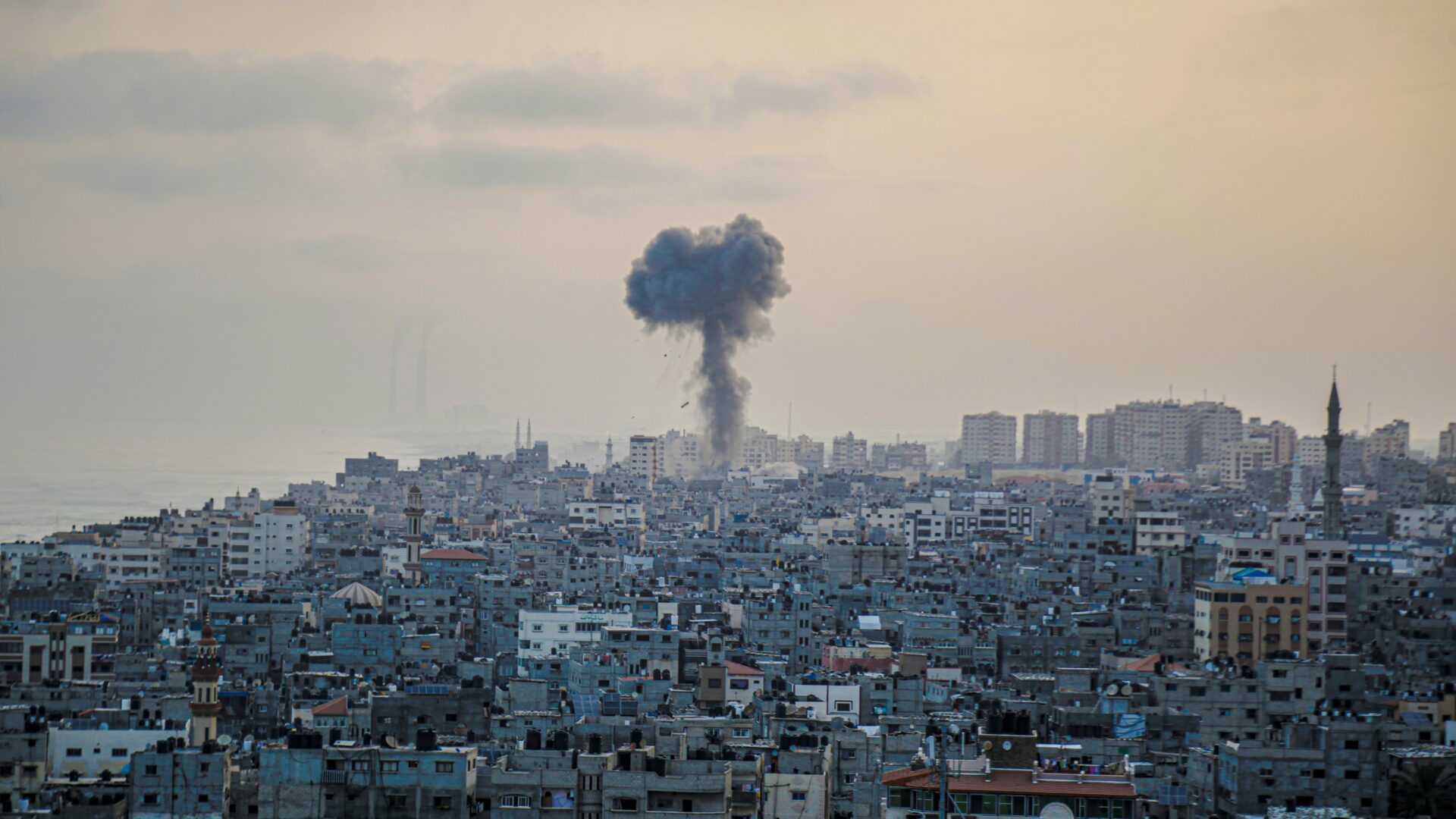
Recent debates about arms transfers and their consequences for civilians in conflict have commanded international attention. Some of the world’s worst humanitarian crises and most violent armed conflicts, including in Palestine, Myanmar, Sudan, Ukraine, and Yemen, have been fueled by the provision of weapons by international actors. Cross-border transfers of weapons can enable bombings of cities and towns, sexual and gender-based violence in armed conflict, extrajudicial killings by security forces, and military targeting of civilian infrastructure. Transferred weapons can also contaminate broad swathes of territory for years or decades after a conflict ends in the form of explosive remnants of war, continuing to threaten civilians.
The international legal frameworks governing the arms trade offer tools for civil society to advocate for the protection of civilians and the promotion of human rights. A handful of States — most of them among the world’s richest and most powerful — account for the vast majority of global arms exports. But the consequences of their exports are often borne by vulnerable or marginalized people far from global power centers. This primer, “Civilian Harm and Arms Transfers: A Primer on International Law and Policy,” aims to provide civil society with a roadmap for identifying which international legal frameworks may apply in specific contexts and for advocating for the protection of civilians in global arms transfers.
Read the full primer here.
Find our related primer on US law and policy here.